
Designing and building a responsible investment portfolio, Part B: The responsibility aspects
(Fifth in a series on responsible investing)
Today I’d like to really dig in on the responsibility aspects of responsible investing. In my previous essay (fourth in this series), I wrote about the very important financial aspects. In the essay before that (third in the series), I had provided some guidance to would-be responsible investors who need to decide what are those things that they really do want to support in their investing and, conversely, those things against which they aim to discriminate.
Designing and building a responsible investment portfolio, Part A: The financial aspects
(Fourth in a series on responsible investing)
In previous essays, I have explained some of the challenges needing to be managed when a person wants to pursue socially and environmentally responsible investing, as well as how the investor can define one’s own views and goals in relation to responsible investing.
What does responsible mean to you? First, know yourself.
(Third in a series on responsible investing)
Very often, ethically conscientious investors cannot themselves describe unambiguously what they do and do not regard as responsible investments. That, as I wrote in my introduction to this series, is the second most important reason why responsible investing can be so difficult.
Can we invest responsibly despite the financial services industry? Yes, but first we need to understand a few things.
(Second in a series on responsible investing)

In my introductory essay to this series, I wrote that the single most important reason why responsible investing can be so difficult is that the financial services industry is not at all set up to facilitate truly responsible investment for individuals.
An introduction to responsible investing: Why does it have to be so difficult? And what can be done about it.
(First in a series on responsible investing)
Lots of people are eager these days to invest responsibly or sustainably. In many cases, though, they become frustrated, even disillusioned, as they begin to realize how difficult it may appear to be to make investments that align with their personal values.
Earth Day at 55: A look back to 1970, a look around today
10 ideas to honor our planet this Earth Day
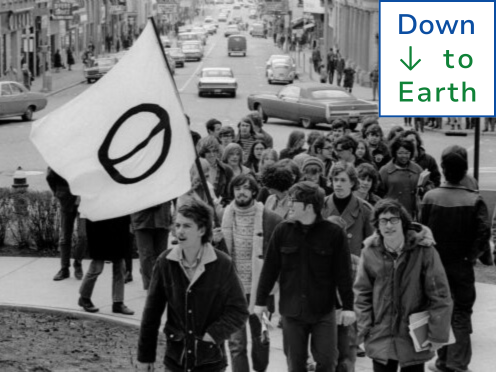
Other than the date I was born, there are very few days further back in my life than, say, last week when I remember where I was and what I was doing. The earliest such day that comes to mind is April 22, 1970. That was the first Earth Day.
Optimizing the economics of urban wood through product certification and online markets
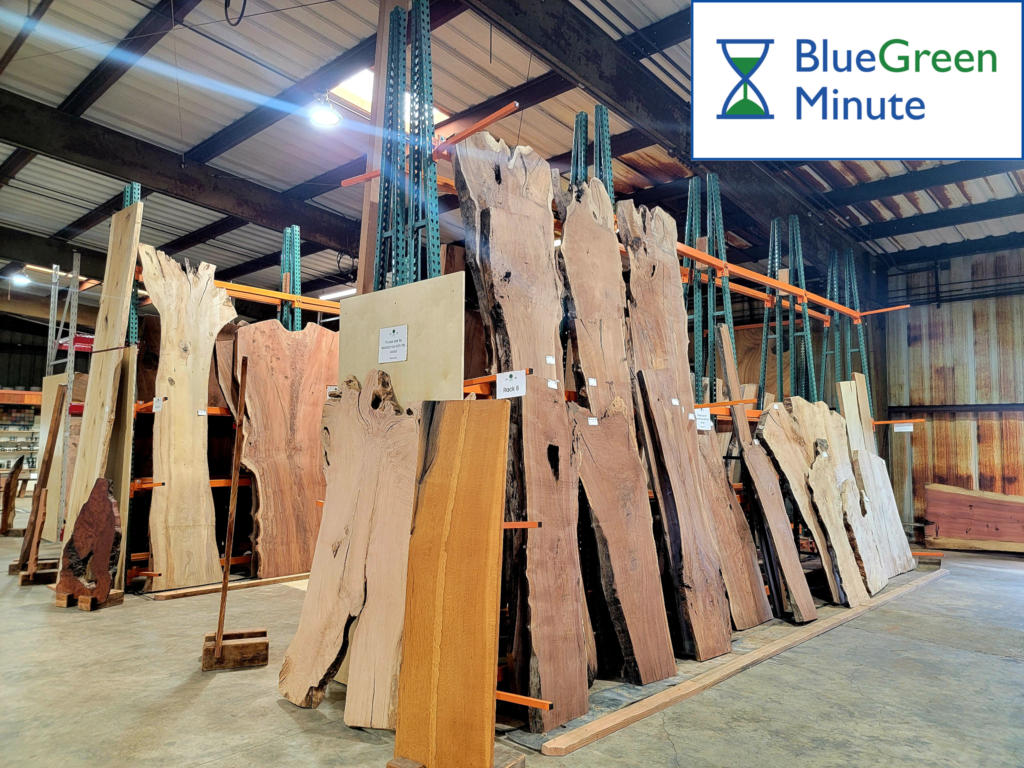
The best use for trees needing to be removed from an urban setting, many people will agree, is to harvest and mill their wood to be used in carbon-sequestering construction and woodworking activities.
Keeping electronics manufacturers on their toes
Red Containers make recycling easy for consumers.
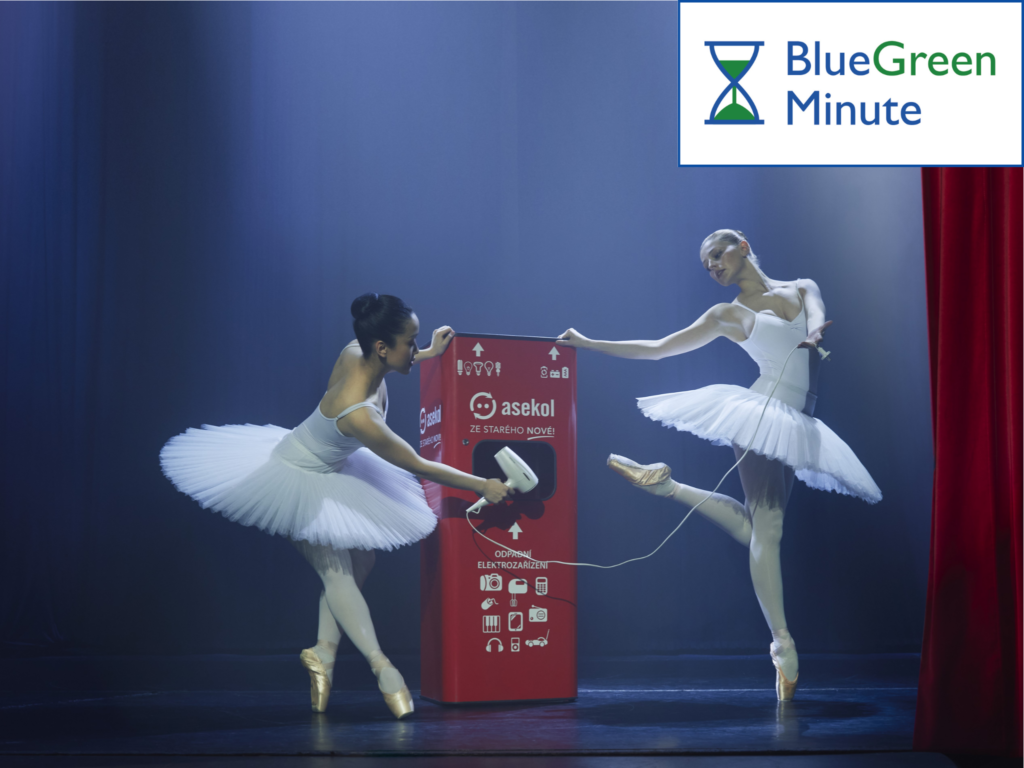
When ASEKOL placed its first red boxes in the Czech Republic during 2007, it launched a project that was unique by European standards.
Urban lumber prolongs trees’ value to the community
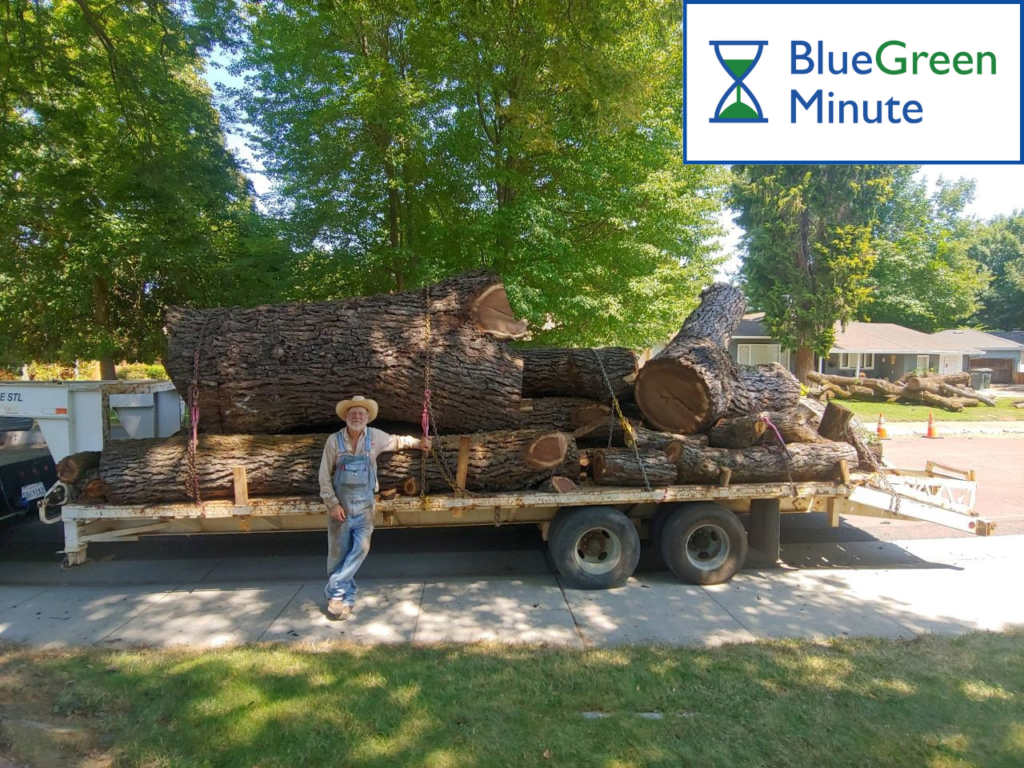
Increasingly recognized today for its ecological, cultural, aesthetic, and economic value, urban lumber is a product of opportunity created out of a necessity sometimes caused by calamity.